 Holly Chambers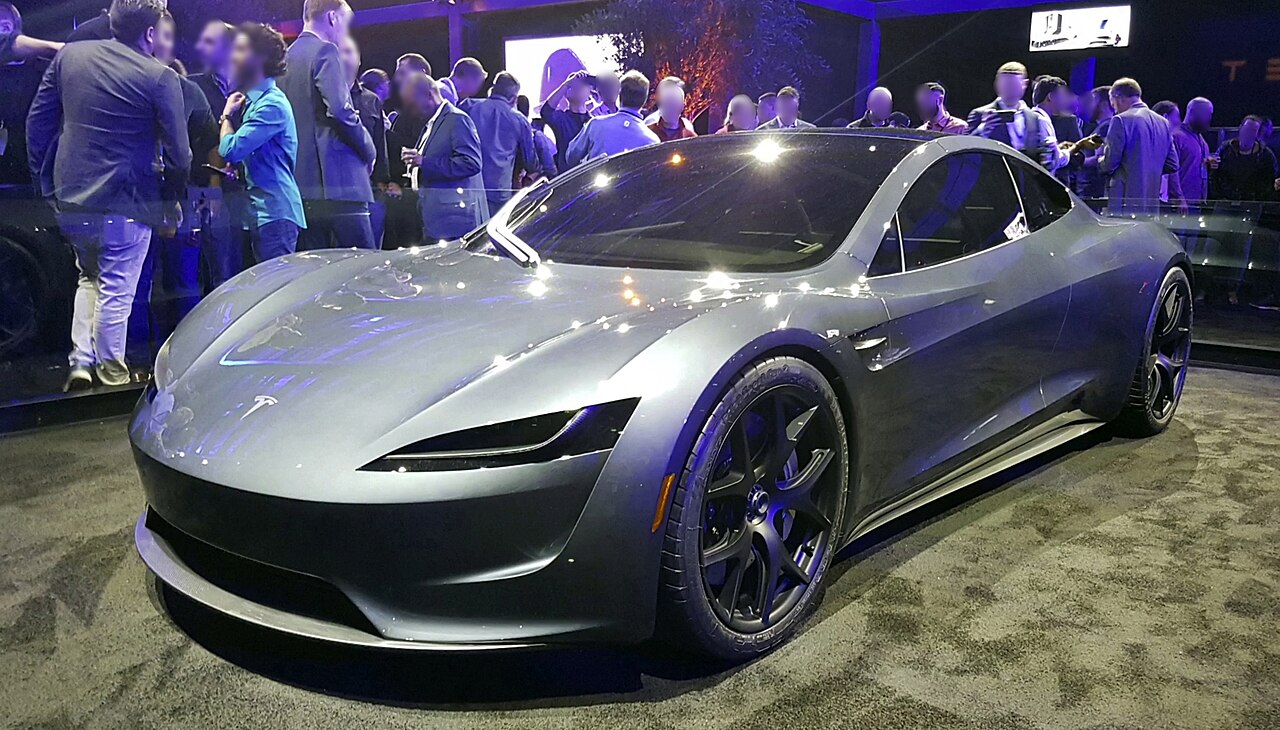
The Tesla flying car left the ground on October 15, 2026, at SpaceX's McGregor, Texas test facility. The demo clocked 0 to 60 mph in 0.81 seconds, but that number is a Tesla claim, not an independent result (duPont Registry News, 2026). The number that actually matters is 2028, the latest production target for a car first revealed in 2017 (Bernama-dpa, 2026). For anyone under 30, this is less a purchase decision than a live study in how viral engineering can outrun proof, a pattern also visible in how Gen Z searches for product truth.
Why It Matters
The reveal was a stunt first, a product second. The Tesla Roadster flying demo included a brief flight, an upside-down ramp run, and a jump over parked Teslas (Bernama-dpa, 2026). The car left the ground with nobody inside during the flip, which changes the emotional payoff from I could own this
to I watched a company pull off a stunt.
For younger viewers, the real signal is how fast extreme specs spread while proof lags. Every performance figure is a Tesla claim, and the next production target is already years away.
What Is the Tesla Flying Car Roadster?
The second-generation Roadster is the car Product Hunt lists as Tesla Roadster - The hypercar that flies
(Product Hunt, 2026). Tesla says it goes beyond Plaid and challenges the limits of design, engineering, and physics. The claimed Tesla Roadster specs include top speed above 230 mph and more than 300 miles of range (RTVE, 2026). The live demo clocked 0 to 60 mph in 0.81 seconds, while Tesla lists the Thrust trim under 0.9 seconds, Performance under 1.6 seconds, and an invite-only Rocket trim under 0.59 seconds (duPont Registry News, 2026). None of those Tesla Roadster specs have been independently verified, and that matters more than the numbers.
How Does the Tesla Flying Car Use SpaceX Thrusters?
The flying hardware is a cold-gas thruster system made up of 10 thrusters fed by roughly 600 liters of compressed air stored in carbon-fiber overwrapped pressure vessels. Tesla says the system carries about 250 kg of air and produces more than 80 kN of thrust (duPont Registry News, 2026). A separate fan-based suction system can generate up to 2 g of downforce, which allowed the prototype to drive upside down on a ramp (duPont Registry News, 2026). The Tesla Roadster rocket thrusters are real enough for a stunt, but no one was inside during the flip. This was Elon Musk's flying car demo, not a production car.
Why Is the Tesla Roadster Called a Hypercar?
Because the claimed numbers are extreme, and the product listing literally calls it one. A Tesla Roadster top speed above 230 mph, 0 to 60 in under a second, and 2 g of downforce put it in hypercar territory on paper (duPont Registry News, 2026). But the label is also marketing.
Morningstar analyst Seth Goldstein expects roughly 2,000 annual Roadster sales, a low-volume brand showcase rather than a major contributor to Tesla deliveries (autoX, 2026).
So the Tesla flying hypercar tag sticks because it is built for attention, not volume.
When Will the Tesla Flying Car Actually Launch?
Production is set for 2028, according to Tesla (Bernama-dpa, 2026). That is the latest in a series of moving deadlines. The original next-generation Roadster was revealed in 2017 with deliveries initially promised around 2020 (Bernama-dpa, 2026). The 2017 prototype promised 620 miles of range, but the current claim is more than 300 miles (RTVE, 2026). So the wait got longer and the range got shorter. If you are under 30, you have watched this car slip from high school to your late twenties. Treat 2028 as a projection, not a guarantee.
Where Can You Buy the Tesla Roadster?
You can reserve one through Tesla, but the deposit structure is aggressive. The Performance version requires a total $50,000 deposit, and the Thrust version requires $250,000. You pay $5,000 upfront and the balance within 10 days. Tesla says only the initial $5,000 is fully refundable (Bernama-dpa, 2026). That deposit is not the final price, and it is a lot of cash to park for years. For a 22-year-old renter, the full Performance deposit is a down payment or a year of rent in many cities. This is a spectacle to watch, not a product to buy, and it is the same reason skipping the iPhone 18 Pro is the smartest upgrade for most young wallets.
Who Makes the Tesla Roadster SpaceX Package?
The Roadster is manufactured by Tesla, with the SpaceX-style cold-gas thruster hardware developed in the orbit of SpaceX. The thruster system is not a separate aftermarket add-on; it is the hardware behind the Thrust and Rocket trims. The top Rocket version is single-seat, invite-only, and Tesla says it is not approved for public-road use (Bernama-dpa, 2026). So the Tesla Roadster SpaceX package is a track and stunt system, not the flying car you can commute in. The demo car jumped over parked Teslas and drove upside down, but that does not make it street legal.
What to Watch Before You Believe the Tesla Flying Car
The signal to watch is independent testing, not another demo. Until a production car is delivered and reviewed by outside engineers, every Tesla Roadster spec remains a manufacturer claim. Watch for regulatory clarity on road and air rules for a thruster-equipped hypercar. Also watch Tesla's broader pivot toward aerospace-style hardware, autonomy, and robotics: the Roadster is being framed as one of the last human-driven cars. For now, the emotional payoff is I watched a company pull off a stunt,
not I could own this.
Do not treat the flying-car future as arriving in 2028 until an independent production car is actually delivered and tested.