Ryan Kessler

Ryan Kessler

Culture & Media Writer·Brooklyn, NY

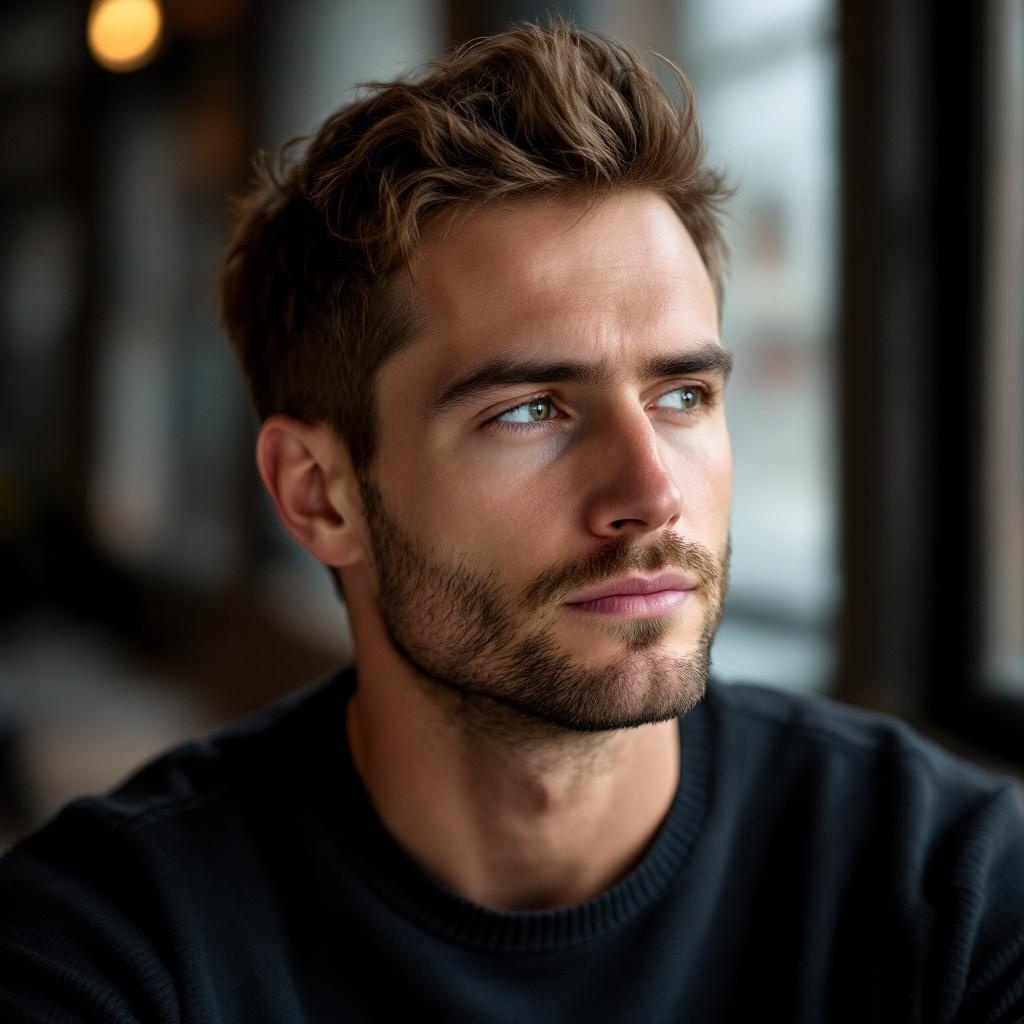
Ryan Kessler writes about culture and media for Zovora Trends. Based in Brooklyn, he covers the trends, debates, and internet moments that define how we live now — from streaming wars to social media shifts to the ideas that go viral and why. Ryan brings a contrarian eye to conventional takes, preferring to ask why before jumping on a bandwagon.

Internet culturemedia trendsentertainmentsocial platforms

Articles by Ryan Kessler (28)

Live performance and entertainment
culture

YouTube Shorts Just Became Bigger Than TikTok—And Nobody Noticed

YouTube Shorts has quietly surpassed TikTok with 2 billion monthly users and a 5.91% engagement rate, reshaping the creator economy. Sustainable earnings now require posting 18-22 Shorts monthly, forcing creators to choose between quantity and quality. The real story isn't platform dominance—it's algorithmic profiling at scale, where your attention is being harvested and monetized to predict your behavior and spending habits.

5 min read·
Neon lights and pop culture
culture

Live, Unfiltered, Human: Why 2026's Biggest Content Trend Has Nothing to Do With Equipment

Authenticity over polish has become one of 2026's dominant YouTube trends, with real, unedited content generating 24x more engagement than polished productions. Small creators with genuine perspectives now outperform expensive brand campaigns, while audiences increasingly value human presence over production value. This structural shift reshapes content careers, brand trust, and what creators actually need to succeed.

5 min read·
Social media and digital culture
culture

Your World Cup 2026 Summer Just Became a $10.5 Billion Career Moment

World Cup 2026 is reshaping Gen Z's summer through $10.5B in advertising spend, premium-rate temp jobs, and creator partnership opportunities. The tournament's three-country host structure and fragmented consumption patterns create multiple income and social relevance opportunities, from hospitality work to merchandise sales to brand collaborations—but sustainable engagement beyond opening week remains uncertain in non-soccer-dominant markets.

5 min read·
Music festival crowd celebration
culture

How TikTok Turned Sports Into a Gen Z Language (And Left Cable Behind)

TikTok has become the primary platform for World Cup sports consumption, with fans 42% more likely to tune into live matches after watching short-form content. With 64% of women preferring TikTok for sports and 46% of sports views coming from female users, the platform has dismantled traditional sports media gatekeeping. While creators now have direct income opportunities and athletes control their personal brands, the algorithm also creates filter bubbles, amplifies toxicity, and captures disproportionate value from user-generated content.

5 min read·
Social media and digital culture
culture

You Can Launch a Product on YouTube Shorts Without 1 Million Followers

YouTube's Shorts-to-livestream-to-shopping pipeline is converting at 9-30% rates versus 2-3% for standard ecommerce, and only 500,000 creators are currently leveraging it. With 200 billion daily Shorts views and 74% coming from non-subscribers, creators can reach massive audiences without followers—but the opportunity window closes as adoption scales.

4 min read·
Social media and digital culture
culture

83% of Gen Z Is Already All-In on World Cup 2026—But Not How FIFA Expected

World Cup 2026 fan culture has shifted from traditional sports fandom to an unavoidable cultural moment driven by algorithms, social platforms, and creator-led content. While 83% of Gen Z globally engage with the tournament, only 25% of Americans are "very interested"—revealing that engagement means cultural participation, not necessarily deep fandom. The real story is how TikTok, Instagram, and YouTube are creating new income opportunities for creators while fragmenting viewership across platforms, making it impossible to opt out of the six-week cultural saturation.

4 min read·
Social media and digital culture
culture

You Have 72 Hours to Go Viral: Inside the Summer Anthem Lip-Sync Gold Rush

Summer anthem lip-sync trends offer accessible viral entry points with brutal saturation mechanics: 72-hour windows, algorithmic favor for early adopters, and millions of nearly-identical videos competing for visibility. While the format democratizes access and enables genuine cultural expression (especially around World Cup fandom), the cost of chasing trends is abandoning originality for algorithmic metrics, creating portfolios that don't distinguish creators from millions of others. The real opportunity isn't the trend itself, but understanding when to opt out and build something lasting.

6 min read·
Outdoor festival at sunset
culture

59% of People Say TikTok Sports Content Is Better Than Actually Watching the Game—Here's Why the 2026 World Cup Will Prove Them Right

Nearly 6 in 10 TikTok users find sports clips more entertaining than full matches, and the 2026 World Cup is about to prove why. With FIFA naming TikTok its preferred platform and 22 Creator Correspondents producing real-time content, the tournament will be consumed primarily through short-form videos rather than traditional broadcasts. For creators, this is a six-week wealth-building window; for brands, a Gen Z engagement opportunity; and for fans, six weeks of unavoidable World Cup content on their FYP.

5 min read·
Concert crowd with colorful lights
culture

55 Creators Just Got Handed a $10K-$100K Window—Here's How the World Cup Content Economy Actually Works

The 2026 World Cup represents a 39-day content economy spike where 55 selected creators could earn $10K-$100K+, while 59% of Gen Z prefer TikTok sports content to actual broadcasts. Brands are pouring billions into creator partnerships and targeted ads during a time when audiences use second screens, making authenticity—not virality—the real profit driver. Post-tournament, the algorithm resets brutally, but the credential you build becomes a job market advantage.

5 min read·
Social media and digital culture
culture

Why 6.5M Creators Are Abandoning Long-Form Video (And Why You Might Be Next)

Short-form video has become YouTube's primary discovery engine, with 200 billion daily Shorts views reaching 192 million U.S. users by 2027. While Shorts ad revenue is modest ($0.03-$0.07 RPM), the real value lies in using Shorts as an audience-building funnel to reach viewers you can monetize through long-form content, brand deals ($300-$15K per), and products. Creators combining Shorts with long-form grow 41% faster, making shorts-first storytelling essential for anyone building audience or influence in 2026.

5 min read·
Concert crowd with colorful lights
culture

72% of Us Are Watching the World Cup Wrong—Here's What Actually Matters in 2026

The 2026 World Cup experience has fundamentally shifted from traditional television viewing to a fragmented, algorithm-driven ecosystem centered on TikTok, fan-created content, and real-time engagement. Nearly 3 in 4 sports fans now use social media to follow matches, with about 7 in 10 TikTok users engaging with fan-made sports content rather than official broadcasts. Creators can now monetize directly through TikTok Stars while the platform serves as FIFA's "Preferred Platform," but this ecosystem comes with hidden costs—data harvesting, FOMO anxiety, and increased financial pressure on fans attending fan zones or traveling to host cities.

5 min read·
Live performance and entertainment
culture

The Shorts Paradox: 200 Billion Daily Views, But the Money Lives Elsewhere

YouTube Shorts generate 200 billion daily views but pay between $0.01–$0.30 per 1,000 views, while long-form videos earn $5–$25+. Creators using both formats grow 3x faster with 2.5x more watch time. The winning strategy: use Shorts as a discovery funnel to drive traffic to monetizable long-form content, then repurpose long-form into multiple Shorts, creating a self-reinforcing flywheel.

5 min read·
Neon lights and pop culture
culture

72% of YouTube Users Are Watching Shorts Weekly—And Most Don't Realize They're Being Sold To

YouTube Shorts now dominates short-form video with 200 billion daily views and 2 billion monthly users, outpacing TikTok through faster monetization paths (10M views + 1,000 subs in 90 days vs. traditional YouTube's 4,000 hours). However, a March 2025 view-counting rule change inflated reported engagement, and creators earn 10-100x less per view than long-form content. Critically, 51% of Gen Z boys and 43% of girls purchase items after watching Shorts ads, making the platform the primary influence point for your generation's projected $12.6 trillion spending by 2030.

5 min read·
Neon lights and pop culture
culture

6 Billion People Are About to Lose Their Minds—Here's Why Gen Z Will Lead the Charge

The 2026 FIFA World Cup is reshaping how Gen Z engages with sports through creator-driven, personality-based fandom rather than traditional team loyalty. With 41% of Gen Z showing interest (up from 35% of Millennials), the six-week tournament will drive an estimated $7.5 billion in consumer spending and establish new patterns for sports engagement post-tournament. Gen Z discovery mechanisms are social platforms first, traditional broadcasts second—fundamentally different from how older generations consumed sports.

5 min read·
Social media and digital culture
culture

222 Million Views in 24 Hours: How Devil Wears Prada 2's Audio Became Gen Z's Workplace Survival Guide

The Devil Wears Prada 2's marketing dominance—222 million trailer views in 24 hours, $612 million global box office—spawned a viral audio trend that functions as a workplace ambition mirror for Gen Z. The audio's vibe-contrast mechanics let young professionals process the tension between career aspiration and authenticity, with brands and creators adopting it as a template for honest product positioning. The film's exploration of media disruption resonates with workers anxious about industry viability and career stability.

5 min read·
Neon lights and pop culture
culture

Why Gen Z Is Spending $150 on One Blazer Instead of 5: The Miranda Priestly Effect

Devil Wears Prada 2's $604.1 million box office success and 181.5 million-view trailer signals Gen Z's hunger for the Miranda Priestly aesthetic—a philosophy rooted in intentional consistency, quiet conviction, and professional clarity. The trend represents a rebellion against algorithmic trend fatigue and fast-fashion exhaustion, offering permission to build a personal brand through minimalist, high-standards dressing that's replicable on multiple budgets. While wealth-coded and potentially exclusionary if misapplied, the real power lies in self-knowledge and the conviction that consistency reads as authority.

5 min read·
Live performance and entertainment
culture

The Devil Wears Prada 2 Just Made $552M—But Gen Z Is Watching It Differently Than You Think

The Devil Wears Prada 2 is a $552M global box office juggernaut, but Gen Z is consuming it as ironic commentary on toxic workplace culture rather than career aspiration. While the original 2006 film made Miranda Priestly's ruthless ambition look glamorous, younger viewers are now using viral audio clips to justify rejecting the 'sacrifice everything for the job' mentality—marking a fundamental generational shift in how success is defined.

4 min read·
Outdoor festival at sunset
culture

YouTube's Algorithm Just Killed the $117 Million AI Slop Era—and Authentic Creators Are Finally Winning

YouTube's algorithm has shifted decisively against low-effort AI slop content and toward authentic creators. After removing 4.7 billion views in January 2026, the platform now rewards genuine human creative input over automated templates. The barrier to entry for real creators has collapsed—you no longer need expensive equipment or polished production to compete, just intentionality and authentic voice.

5 min read·
Outdoor festival at sunset
culture

82% of Gen Z Trusts Reddit for Product Research—And Google Didn't See It Coming

82% of Gen Z trusts Reddit for product research—higher than any social media platform—because anonymity removes financial incentive to lie. Unlike influencers building personal brands, Reddit users have nothing to sell, making their brutally honest reviews more credible than polished advertising. For brands and institutions, this means authenticity is no longer optional; for Gen Z, it means power and vulnerability coexist as Reddit becomes an increasingly valuable target for manipulation.

5 min read·
Neon lights and pop culture
culture

Why 72% of Gen Z Now Reject AI Content (And Why That's Your Competitive Edge)

72% of Gen Z now actively reject AI-generated content as 'AI slop' dominates feeds, triggering a cultural backlash where authentic, unpolished human content outperforms perfectly produced algorithmic content. When consumers suspect AI involvement, engagement drops 52%, while authentic content generates 98% trust premium—flipping the 2023 content playbook. The shift creates immediate competitive advantage for creators, job seekers, and brands willing to embrace transparency and real human signal over polish.

4 min read·
Music festival crowd celebration
culture

AI Slop Is Everywhere—Here's Why Your Brain Knows It (And Why Brands Are Panicking)

Mentions of 'AI slop' surged 900% year-over-year, signaling a cultural turning point. Consumer preference for AI-generated content has plummeted from 60% to 26%, while authentic content now dominates trust metrics. For creators and brands, the winning move in 2026 isn't deploying more AI—it's being transparent, strategic, and unmistakably human.

4 min read·
Neon lights and pop culture
culture

Why TikTok's Most Successful Creators Are Ditching the Ring Light

Over 70% of TikTok users now prefer authentic, unedited content to polished videos, marking a fundamental shift in what audiences reward with attention and purchases. Creators with defined strategies—even if that strategy is 'show up raw'—see 3x higher engagement, while brands win by amplifying real voices rather than corporate polish. The catch: performative authenticity and AI-generated "realness" are spreading, so genuine human judgment matters more than ever.

4 min read·
Concert crowd with colorful lights
culture

We Waited 4 Years for Euphoria Season 3—Here's Why the Internet Is About to Lose It

After a grueling four-year wait since Season 2 ended in February 2022, Euphoria returns on April 12 with unprecedented cultural momentum. With 16.5 billion TikTok views generated during the hiatus, the show has evolved from entertainment into an identity-shaping phenomenon that influences everything from fashion to makeup to how Gen Z processes trauma and addiction. Season 3's premiere will dominate the internet for weeks, reshaping the aesthetic landscape and continuing conversations about recovery, identity, and survival that the show has normalized.

5 min read·
Music festival crowd with colorful lights
culture

Why Gen Z Is About to Spend $500 on Festival Fits They'll Wear Once (And Why Brands Are Counting on It)

Coachella and Euphoria Season 3's premiere on April 10-12, 2026 create a perfect algorithmic storm driving Gen Z spending decisions. Nearly three-quarters of Gen Z are influenced by social media to purchase, and the collision between festival fashion and Euphoria aesthetics is reshaping how young people view consumption as content creation and personal brand investment.

5 min read·
Neon lights and streaming culture aesthetics
culture

157 Million Views in 48 Hours: Why Euphoria Season 3 Broke the Internet (And What That Says About You)

Euphoria Season 3's second trailer shattered HBO viewership records with 157 million views in 48 hours, but the explosion of reaction content carries both opportunity and risk. While the show can foster genuine community around mental health conversations and launch creator careers, the algorithmic engagement machine driving viral content also correlates with increased depression and anxiety, especially for users spending 3+ hours daily scrolling. The difference between community-building and compulsion comes down to intentionality: active creation and discussion versus passive consumption.

5 min read·
Earth from space with aurora borealis
science

Chickpeas Grown in Moon Soil: The Surprising Step Toward Lunar Farming

In a breakthrough for space agriculture, scientists grew chickpeas in simulated moon soil, demonstrating that food production on the lunar surface may be feasible for future colonies.

4 min read·
Job interview in a modern office
careers

I Built an AI Coding Agent. Here's Why 84% of Developers Will Regret Using It Without This One Skill

A developer shares how they survived AI automation by mastering AI collaboration while maintaining fundamental coding skills. Despite 20% job losses for junior developers and 41% of code now being AI-generated, those who can audit AI output and make architectural decisions are seeing 35-50% salary increases in a $30 billion growing market.

5 min read·
Developer coding on multiple monitors
tech

Nvidia's Blackwell GPUs Are Reshaping the $200B AI Infrastructure Market

Nvidia's Blackwell GPUs deliver 4-7x performance gains, driving a $200B AI infrastructure buildout. Every major cloud provider is scrambling for allocation.

4 min read·

© 2026 Zovora.ai · Trends for the next generation